
Published on August 12, 2026
How to Optimize Your Supply Chain to Cut Costs and Lead Times
Category: Logistics Strategy & Management / Foreign Trade
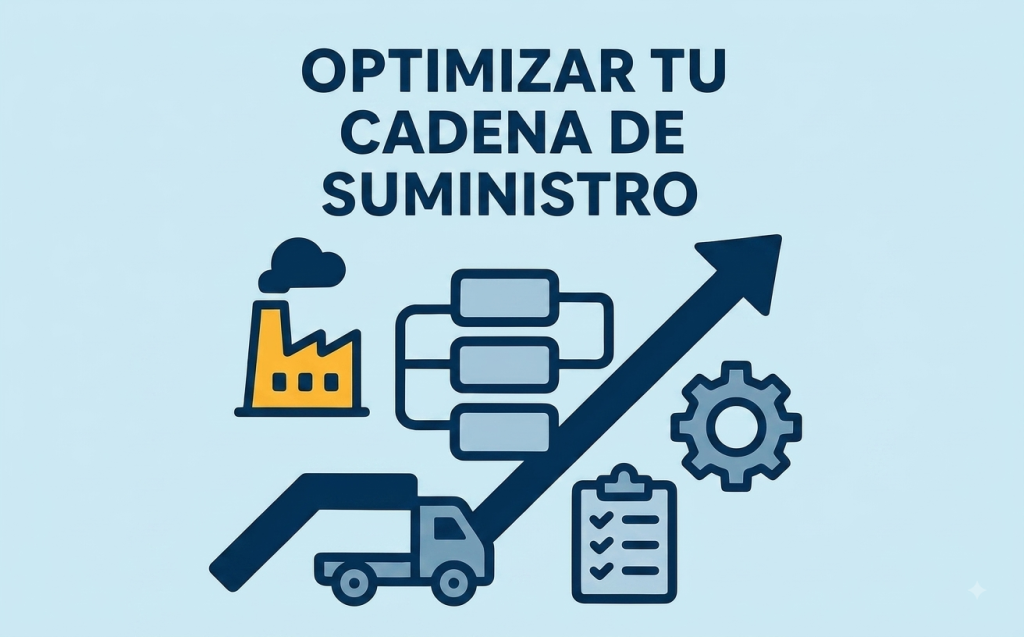
In a dynamic global environment, optimizing the supply chain is no longer just a competitive advantage, but a fundamental operational necessity. Integrated management makes it possible to minimize disruptions, reduce logistics costs, and respond with agility to market demands.
1. End-to-End Visibility
The first step toward optimization is achieving full control over cargo in transit. A lack of real-time visibility creates undetected bottlenecks, port or customs delays, and extra demurrage costs. Implementing real-time tracking tools and data integration allows for proactive decision-making before issues arise.
2. Strategic Route and Transport Mode Planning
Not all shipments require the same approach. Optimizing the supply chain involves balancing cost, urgency, and volume:
-
Ocean Freight (FCL/LCL): Ideal for high volumes where unit cost is the main priority.
-
Air Freight: Essential for perishable, high-value, or urgent cargo.
-
Multimodal Solutions: Smart combinations of ocean, ground, and air transport reduce transit times while optimizing budgets.
3. Efficient Inventory and Risk Management
Carrying excess inventory ties up capital and inflates storage fees. Conversely, overly lean stock exposes companies to supply chain breaks during international delays. Adopting demand-driven forecasting models and diversifying supplier networks are key steps toward mitigating geopolitical or climate-related risks.
💡 Optimization Tip: Partnering with experienced logistics providers and global freight networks helps streamline customs clearance, consolidate cargo efficiently, and avoid unexpected costs from origin or destination delays.
4. Automation and Digitalization of Customs Operations
Document management is one of the biggest drainers of time and money. Digitalizing manifests, commercial invoices, certificates of origin, and Bills of Lading significantly speeds up customs clearance while eliminating typing errors and tariff classification discrepancies.
5. Data-Driven Decisions and Instant Quoting
Logistics digital transformation replaces manual quoting with instant analytics. Having a clear, accurate quote upfront accelerates decision-making, prevents rate surprises, and allows for precise profit margin forecasting.
📲 Ready to calculate and optimize your freight costs?
Access our online calculator to get an instant quote in seconds and plan your import or export operations.
👉 [Try the Instant Quoting Tool]
Comments
You must log in to leave a comment.
Comments are closed on this post.