
Published on August 12, 2026
The Future of Sustainable Logistics: Challenges, Innovation, and Global Trends
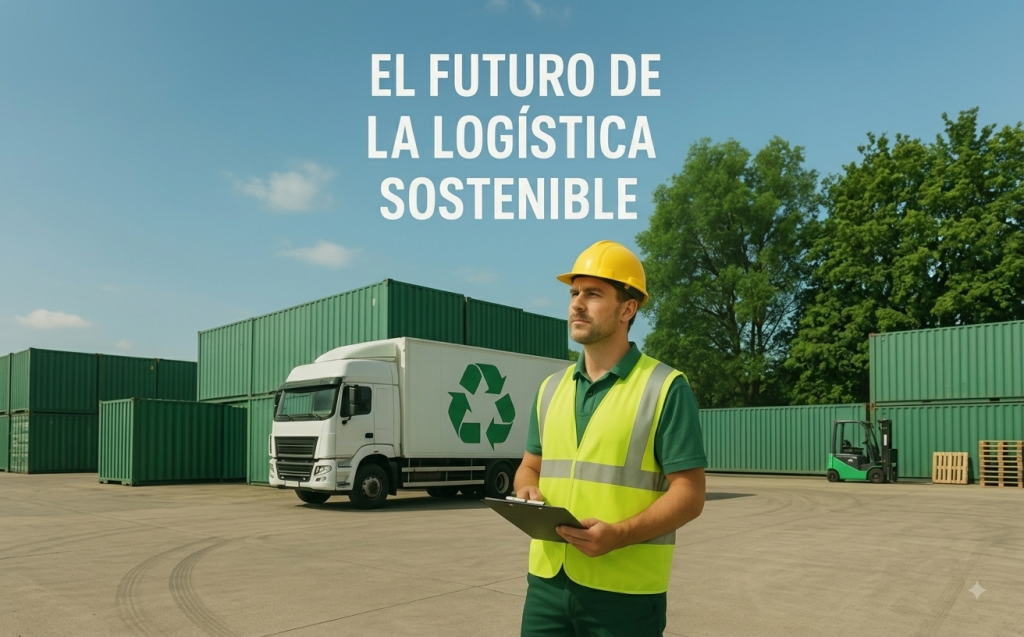
Category: Logistics & Sustainability / Foreign Trade
Sustainability is no longer just a corporate option; it has become the strategic cornerstone of international trade. Faced with increasingly stringent global environmental regulations and a growing demand for responsible operations, the transportation and logistics sector is undergoing a profound transformation.
1. Decarbonization in Maritime and Air Transportation
Maritime transport accounts for more than 80% of global trade. The International Maritime Organization (IMO) has set rigorous targets to reduce greenhouse gas emissions to net zero by mid-century. This has driven the adoption of alternative fuels such as green ammonia, methanol, e-fuels, and LNG, along with wind-assisted propulsion systems and optimized hydrodynamic design.
In the aviation sector, cargo airlines are accelerating the adoption of Sustainable Aviation Fuel (SAF), which reduces life-cycle emissions by up to 80% compared to conventional jet fuel.
2. Electrification and Optimization of the Last Mile
Ground transportation and urban logistics are leading the transition to electric mobility. Fleets of heavy-duty trucks and light-duty delivery vehicles powered by batteries and hydrogen fuel cells are rapidly replacing traditional diesel fleets.
In addition, the integration of dynamic routing software powered by artificial intelligence helps reduce empty-run kilometers, optimize load consolidation, and significantly lower fuel consumption on each trip.
💡 Key fact about foreign trade:
Companies that implement carbon footprint transparency in their supply chains not only comply with regulations such as the CBAM (EU Carbon Border Adjustment Mechanism), but also improve their creditworthiness and commercial competitiveness on a global scale.
3. Digitization and Carbon Footprint Measurement
You can't manage what you don't measure. Digitalization enables freight forwarders and shippers to accurately calculate the $\text{CO}_2$ footprint of each shipment (per metric ton-kilometer), providing transparent reports to customers. The integration of smart platforms facilitates the selection of efficient multimodal routes that balance costs, transit times, and emissions.
4. Eco-Friendly Packaging and the Circular Economy
Green logistics encompasses the entire value chain. The use of recyclable pallets, reusable temperature-controlled containers, and biodegradable packaging materials minimizes waste generation in warehouses and distribution centers. The circular economy also promotes the integration of reverse logistics processes for the return and recycling of materials.
5. Selimpex's Commitment to Green Logistics
As a freight forwarder committed to operational excellence and sustainable development, at Selimpex We support our clients in their transition toward more sustainable, efficient, and profitable supply chains.
- Multimodal Optimization: A strategic combination of ocean, air, and ground freight to reduce environmental impact and optimize costs.
- Transparency and Innovation: Digital tools for comprehensive management and visibility of your shipments.
- Specialized Consulting: Compliance with international environmental regulations for import and export operations.
Comments
You must log in to leave a comment.
Comments are closed on this post.